Innovation accelerator
A competition-style accelerator for your fee earners. Every idea in the firm goes in at the top. Three to five come out the bottom as scoped, clickable products, pitched to your partners and clients on Demo Day.
Every idea goes in. Three to five get through.
Two days, four written criteria, written feedback for every team. The waist of the hourglass is where most ideas stop, on purpose.
- 01Clear problem definition
- 02Evident user value
- 03Strategic relevance
- 04Feasibility
Launch, bootcamp, prototype, pitch
A month each. A Purple founder mentors every team through product requirements, then Purple builds a working prototype and an animated promo video, then a second bootcamp turns it into a commercial case.
the rail the six rounds hang fromPitched to your clients, judged by your partners
Fifteen minutes each: the video, a live run through the prototype, the commercial case, the ask. The panel decides that day. The energy in the room is the point.
think The Apprentice, with your clients in the roomThen you turn it over
A firm that has run it once has a hundred more ideas the second time, and lawyers who already think in products. The programme in full, round by round, follows below.
Inside the room
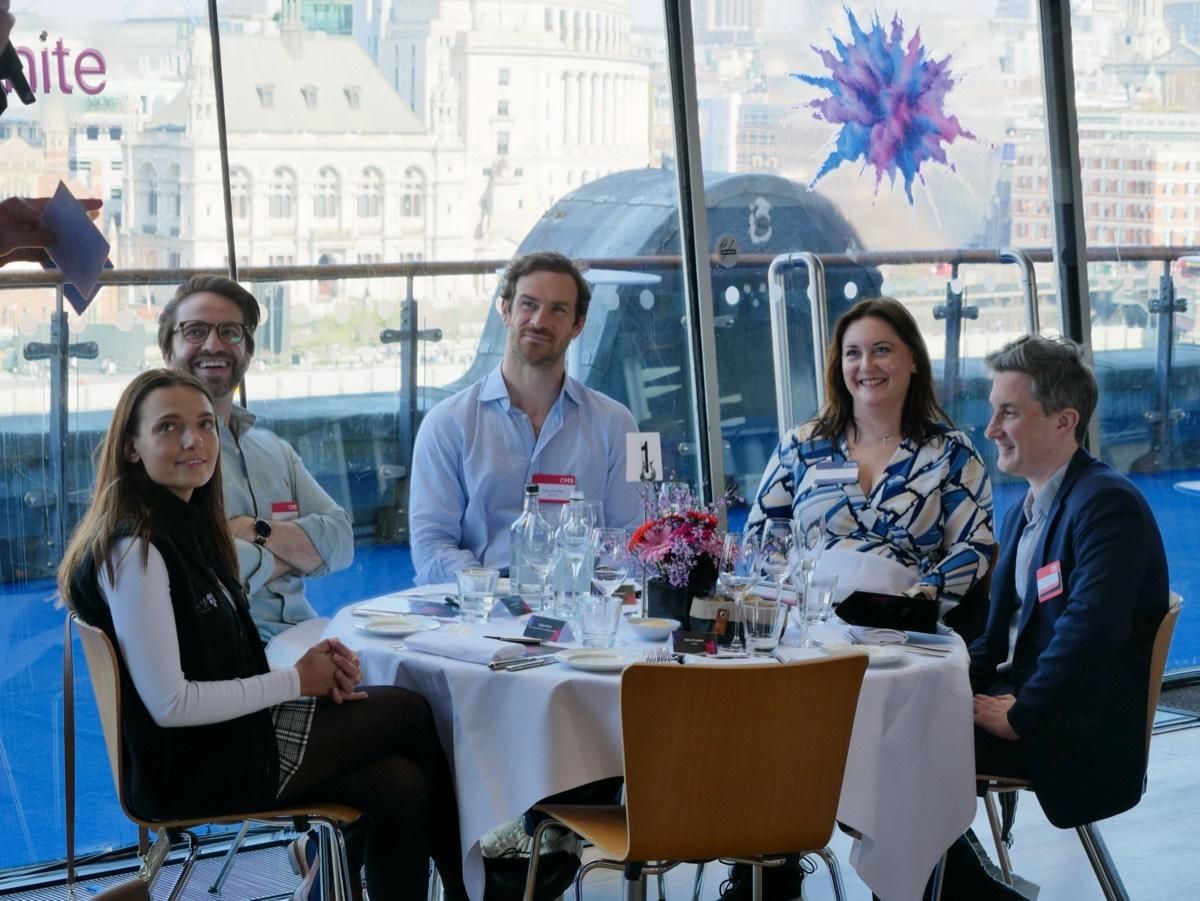
A Purple workshop, filmed during the CMS:Ignite accelerator.
Four months,
six rounds
Launch opens the call for ideas. A two-day shortlist picks the three to five teams. Each team then gets two months of mentoring and a month of prototyping with Purple, and Demo Day closes it. Fully modular: scale up or down to match appetite, timelines and internal bandwidth.
- Round 01 · 1 monthLaunch
- Shortlist · 2 days
- Round 03 · 1 monthProduct bootcamp
- Round 04 · 1 monthPrototype
- Round 05 · 1 monthPitch bootcamp
- Demo Day · 1 day
Launch and inspiration
The programme opens with a firm-wide launch built to make people think in a product-led way - identifying valuable problems, spotting inefficiencies, and framing ideas with structure before submissions open.
- 01
Launch session
A firm-wide session introducing the programme, the process, and what a good submission looks like.
- 02
Product-led training
Identifying problems, spotting opportunities, and framing solutions the way a product team would.
- 03
Templates and guidance
Structured templates issued to every participant, raising the baseline quality of ideas before anything is submitted.
Idea shortlisting
Submissions come in on the Round 01 template and are scored against four written criteria. Typically three to five teams go through - and every team that doesn't gets written feedback, not silence.
- 01
Clear problem definition
Does it address a real, specific problem - articulated and grounded in evidence, not assumption?
- 02
Evident user value
Is there a clear benefit to the people who would use it? Can the team say who, and why?
- 03
Strategic relevance
Does it strengthen the firm's competitive position or close a known gap?
- 04
Feasibility
Can it be explored meaningfully within a lean framework, without disproportionate investment?
Product bootcamp
A workshop, then a month of one-to-one mentoring from a Purple founder, taking each team from a rough idea to a complete product requirements document - with assumptions challenged while changes are still cheap.
- 01
Kick-off workshop
An intensive session to stress-test each idea, define its scope and set its direction.
- 02
Founder mentoring
Each team is paired with a Purple founder for a month of structured sessions - shaping the thinking and building out the detail.
- 03
Product requirements
From concept to a full requirements document: user needs, value proposition, delivery feasibility.
- 04
Prototype-ready brief
Each team exits with a brief detailed enough to hand straight to a design and build team.
Prototyping
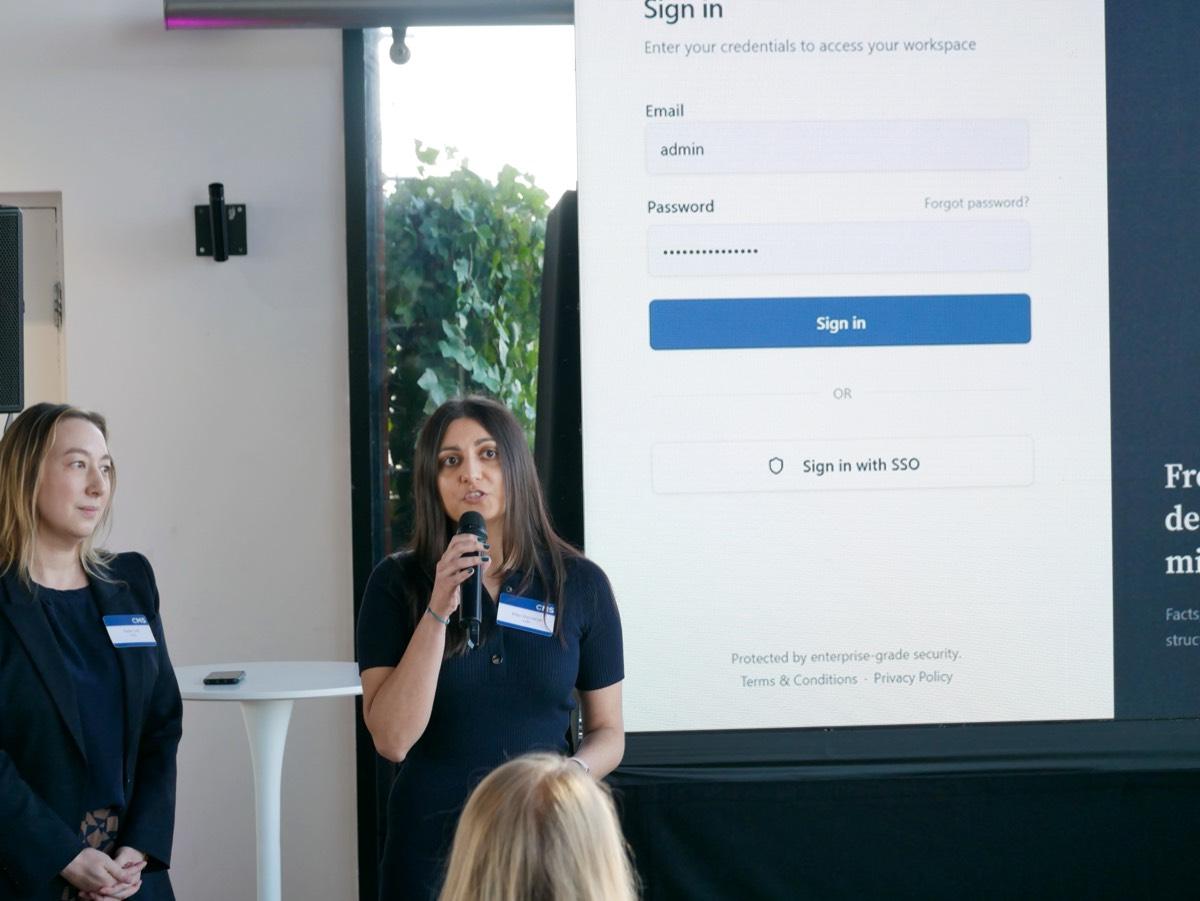
Purple takes each brief and builds a fully interactive prototype - not wireframes, not static screens - iterating with the team through regular check-ins so what walks on stage at Demo Day is something people can click.
- 01
Agile build
Built in short cycles with check-ins each week, so the prototype reflects the team's vision rather than our first guess at it.
- 02
Fully interactive
Clickable end to end. Teams can kick the tyres on how their idea works in practice - and put it in front of real users.
- 03
Promotional video
An animated promo video for the product, so the pitch opens like a launch rather than a status update.
- 04
Demo Day ready
Each team walks on stage with something tangible that brings the pitch to life.
Pitch bootcamp
A second workshop and a second month of founder mentoring, this time on the commercials: the business case, the ask, and a pitch that stands up to partner scrutiny.
- 01
Kick-off workshop
Commercial thinking - market sizing, revenue models, return on investment, and how to build an investment case.
- 02
Founder mentoring
A month of pressure-testing assumptions and sharpening the commercial narrative, one founder per team.
- 03
The commercial case
Target market, revenue model, investment needed, potential returns, and a clear path to value for the firm.
- 04
Pitch-ready output
A polished, investor-style pitch, rehearsed against the hard questions - backed by evidence, not enthusiasm.
Demo Day
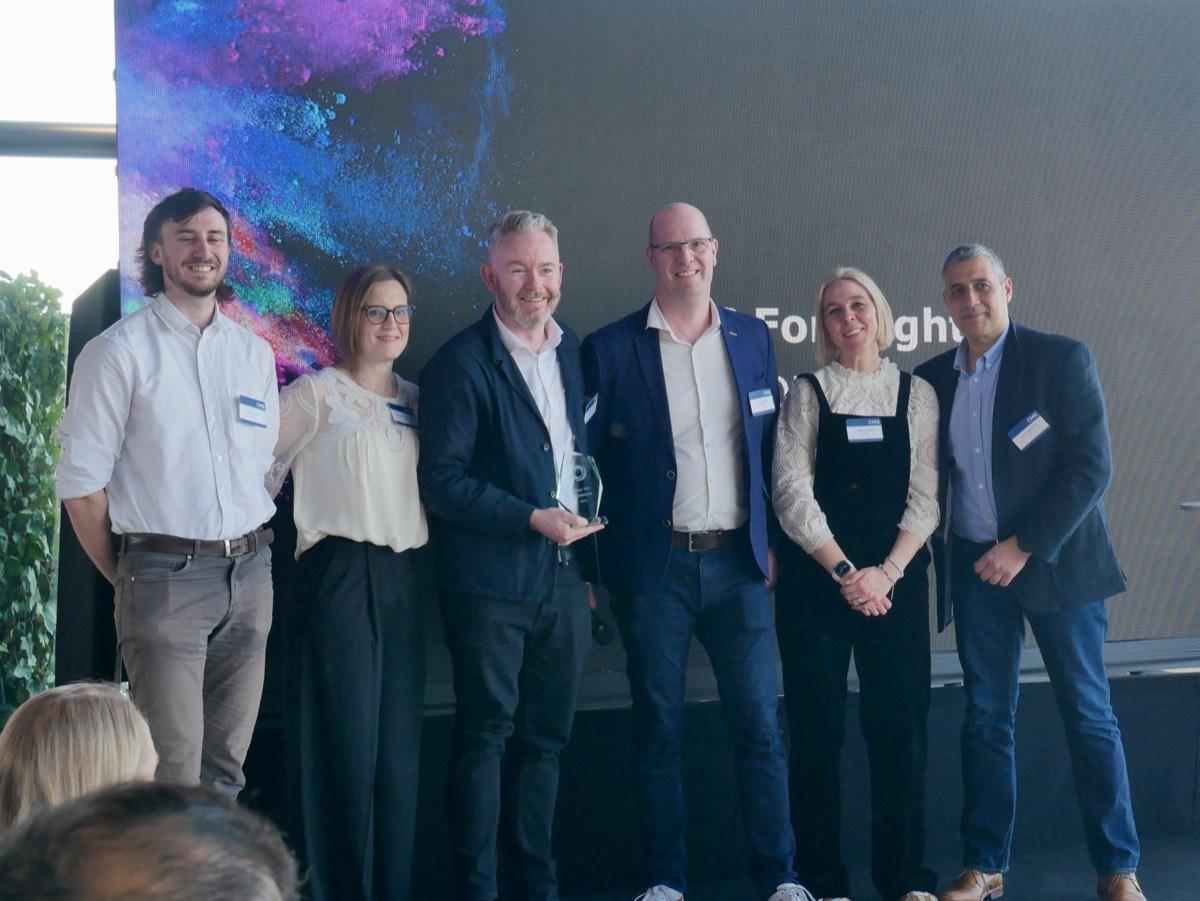
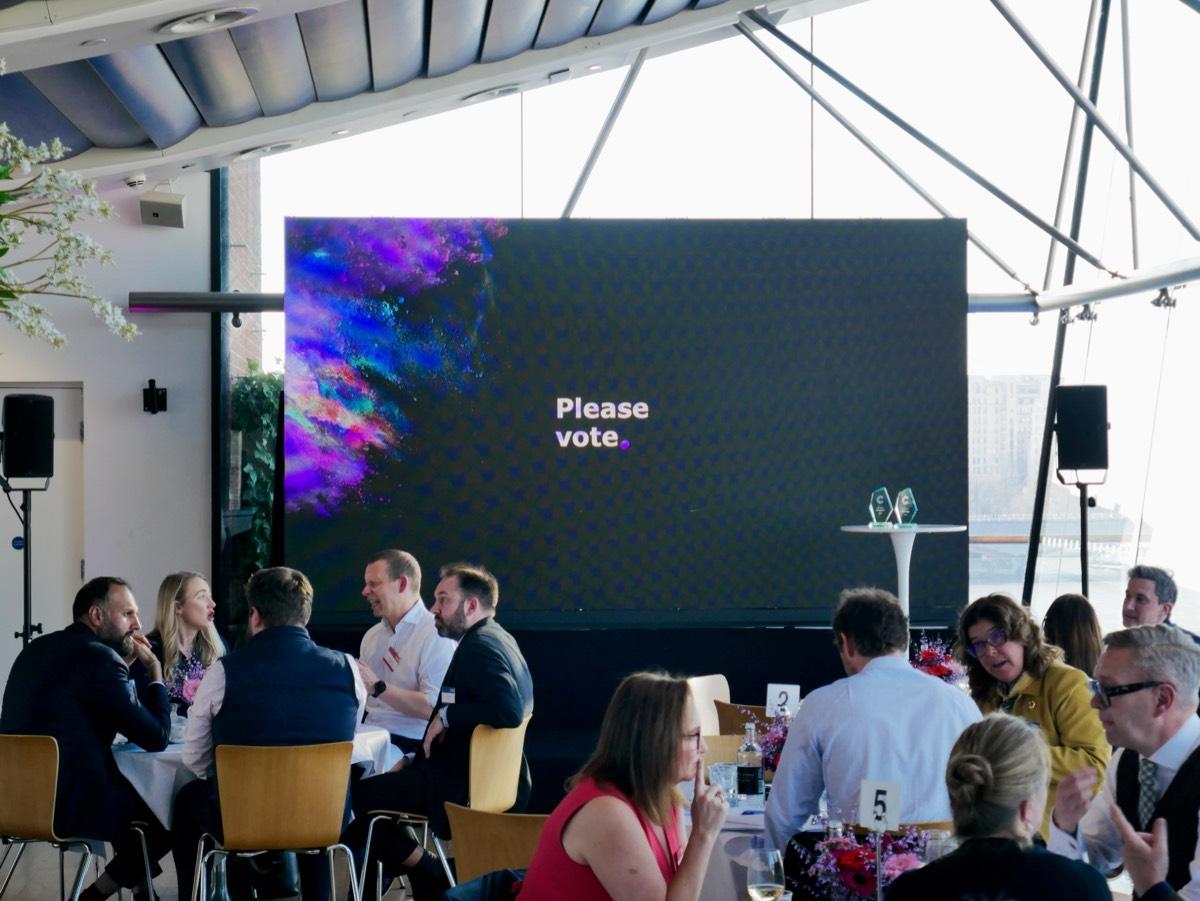
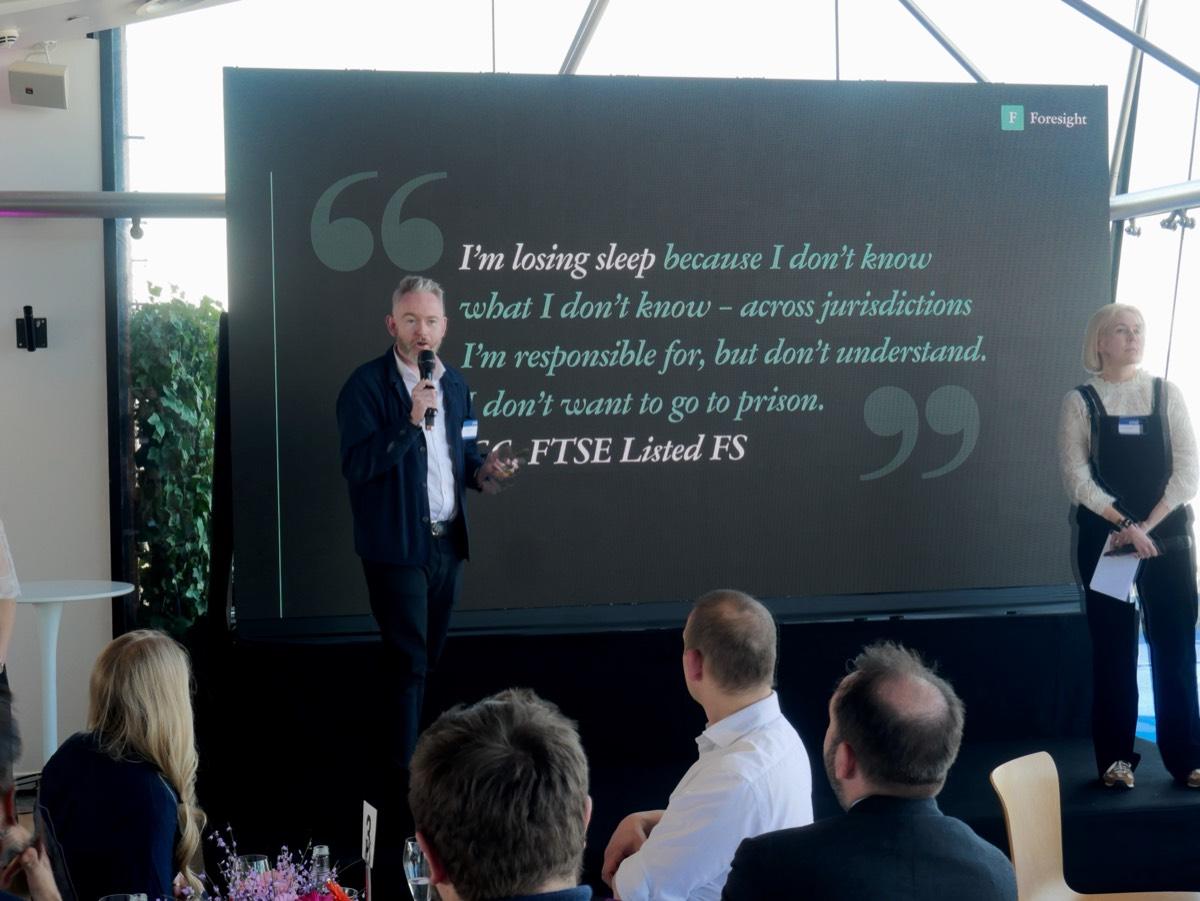
Each team pitches to a room of the firm's clients, with senior partners as the judging panel: the video, the clickable prototype, the commercial case. Purple runs the whole day - logistics, voting criteria, coaching each team on stage - and the panel decides that day.
- 01
Structured pitches
Around fifteen minutes each: the problem, the promo video, a live run through the prototype, the commercial case and the ask.
- 02
Senior judging panel
Partners and leadership vote against written criteria, so the outcome is evidence-based and consistent.
- 03
Client showcase option
Invite clients to attend and vote - and see the firm's innovation capability first-hand.
- 04
Your venue or ours
An external venue arranged by Purple for maximum impact, or run in-house - depending on how much exposure you want.
Built to avoid innovation theatre
Four things we designed out of the programme, and what we put in their place.
Every idea gets a go
Three to five teams, chosen against four written criteria
Structured framing, training and a template raise the quality of what reaches leadership in the first place.
Innovation for its own sake
Nothing is built before the problem is proved
Every idea is tested against real criteria before a day of build resource is committed. No premature builds, no demos for demo's sake.
Slide decks and good intentions
Product briefs, clickable prototypes, a commercial case
Leadership gets artefacts it can act on the week after - and a clear recommendation attached to each.
Novelty, and a prize
Who pays, and why - answered before Demo Day
Ideas are prioritised on return against the firm's core metrics, not on how novel they sound.
A product to decide on, and a firm that thinks in products
The winning team hands leadership a scoped, prototyped product with a commercial case attached. Everyone else has been through the same journey, and the energy of Demo Day carries into how the firm treats its next idea.
- Pipeline
A higher-quality pipeline
Ideas reaching leadership are structured, tested and grounded in evidence rather than enthusiasm alone.
- Decisions
Informed build, buy or partner calls
Each backed by concrete artefacts and a clear recommendation, so the decision is made once.
- Artefacts
Things you can hand to a build team
Product briefs, clickable prototypes and commercial cases - not presentations and good intentions.
- Stress-tested
Ideas challenged early
Constructively, before time and resource are committed - so the ones that progress are worth backing.
- Culture
A product mindset that outlasts the programme
A firm-wide shift toward product-led thinking that raises the bar for every future initiative.
From the programme
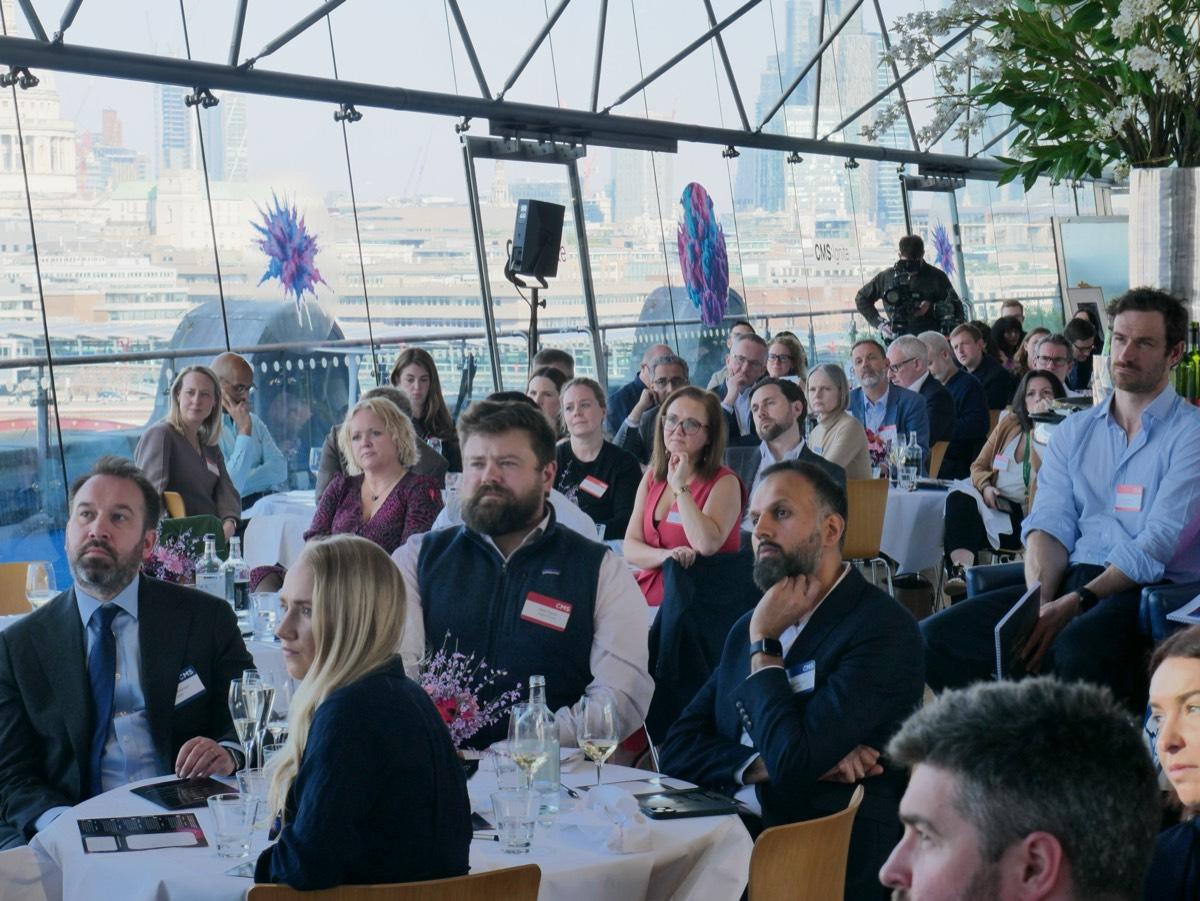
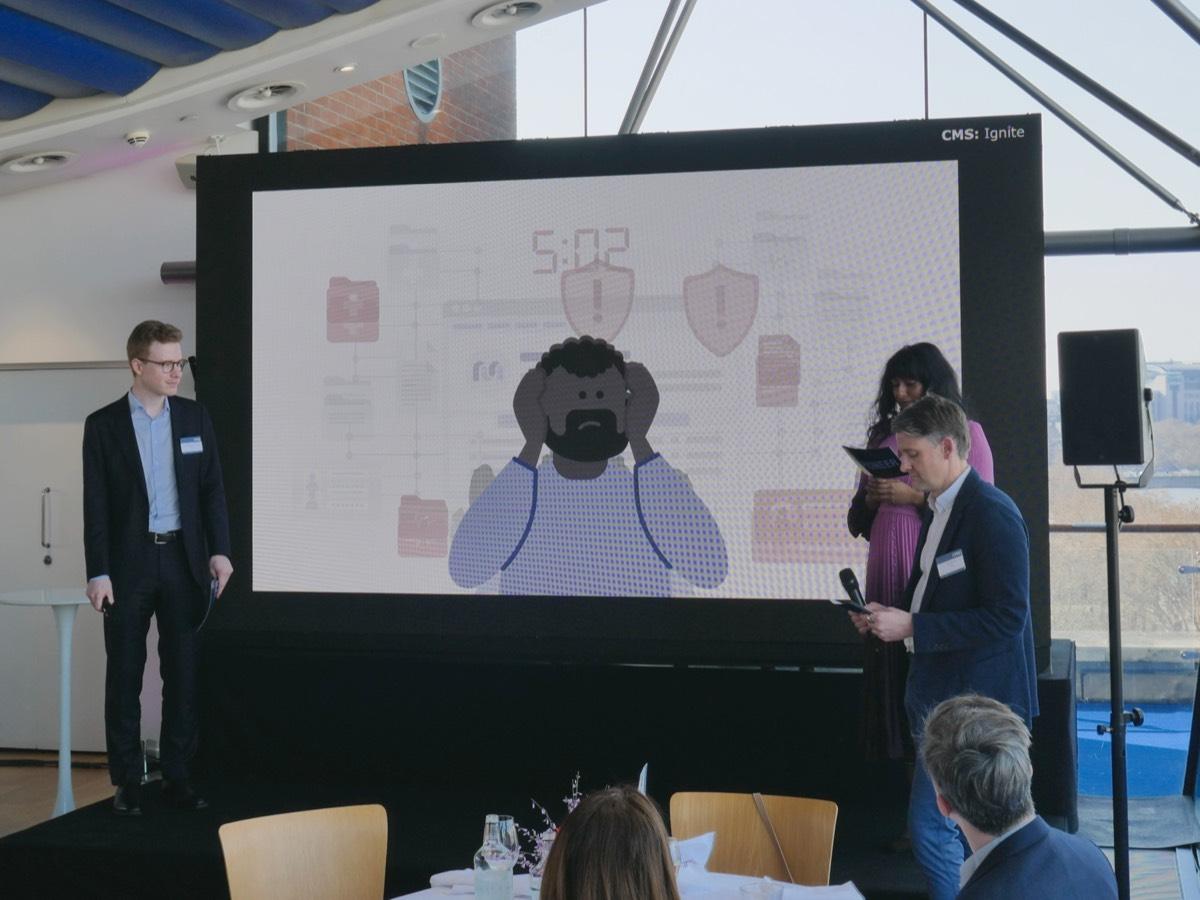
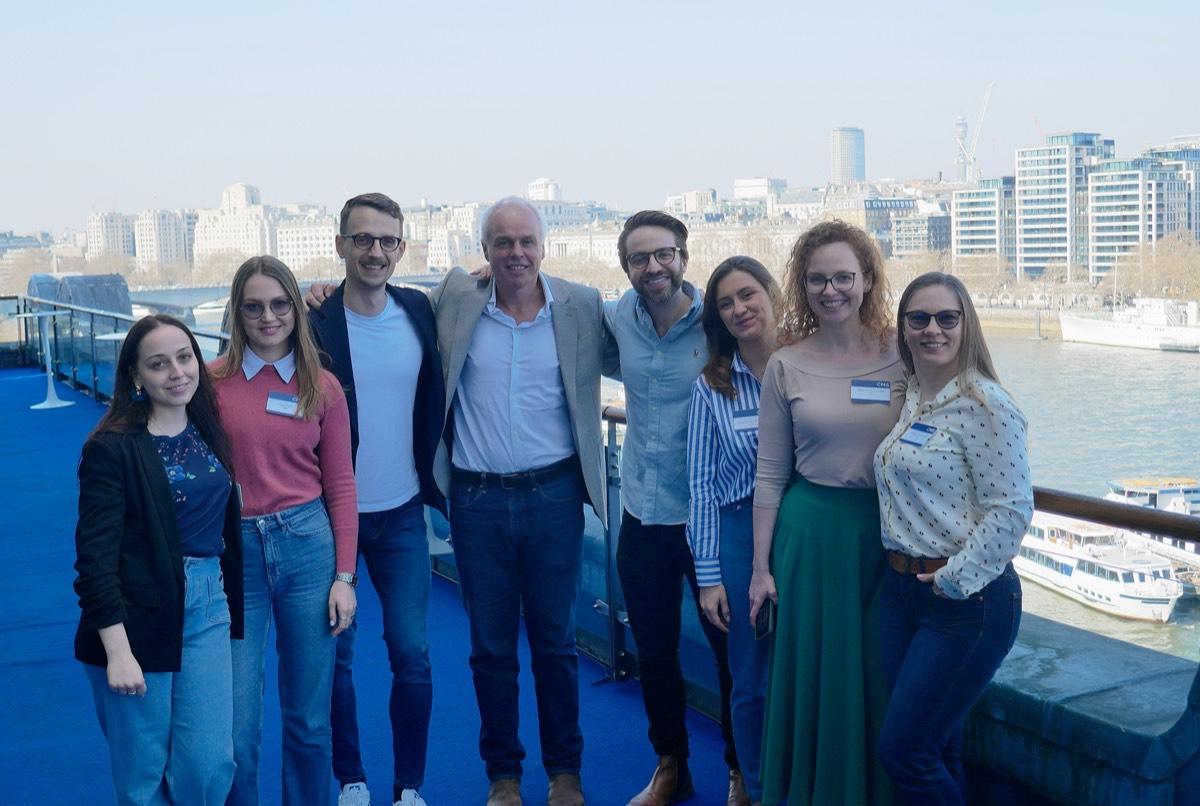
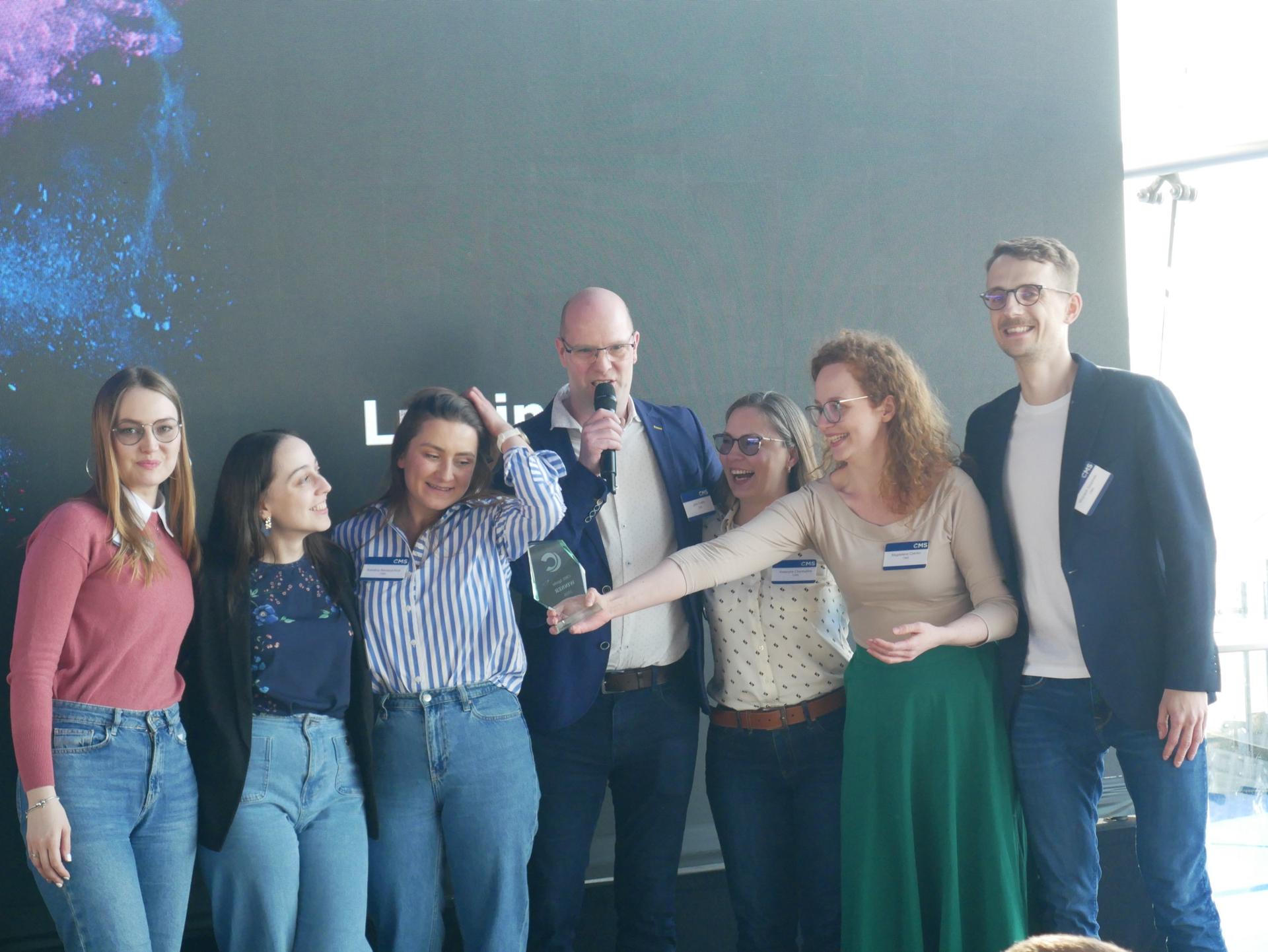
CMS:Ignite powered by Purple
Sharon Jenkins, Head of Legal Innovation at CMS, reflects on the firm's Innovation Accelerator programme - from launch to Demo Day. We designed and ran it end to end; you can see where programmes like this lead in our work.
Run this at your firm
Three to four months from a firm-wide call for ideas to three to five prototyped products pitched at Demo Day. We bring the structure and the build; your people bring the ideas.